IndiaFilings

Expert

Published on: Jun 24, 2026

Export and Import Procedure in India

India ranks 19th in terms of overall export of merchandise and 12th in terms of the overall import of merchandise compared to other countries. With more trade liberalization deals to be signed by the pro-business Indian Government, there is plenty of opportunity for establishing a successful import or export business. To undertake an import or export business, the Entrepreneur must have a strong understanding of all import or export transactions documentation. This article covers India's primary export and import procedures and the necessary documentation.

Export and Import Procedure

To begin exporting or importing goods from India, the business or individual must obtain an Import Export Code or IE Code from the Directorate General of Foreign Trade. Obtain the IE Code from the business after obtaining PAN and opening a bank account. IndiaFilings can help you obtain IE Code.

Commercial Invoice

The seller issues the commercial invoice to the buyer containing the terms of the transaction, like the date of the transaction, seller details, buyer details, value, shipping terms, and more. Customs duty is levied on the shipment, usually based on the commercial invoice raised by the seller.
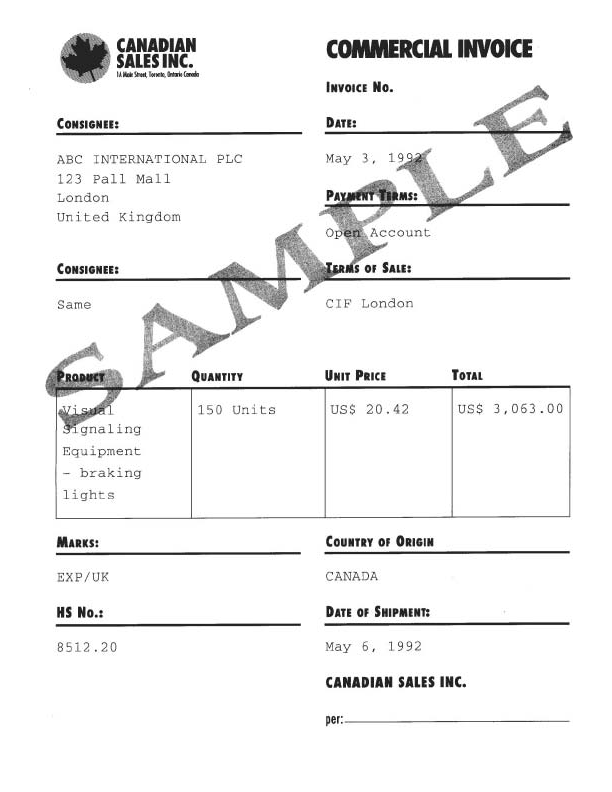
Sample-Commercial-Invoice Sample Commercial Invoice

Air Waybills

An airway bill is proof of shipment of goods by air. Air waybills serve as proof of receipt of goods for shipment by the air cargo agent, an invoice for the air shipment, a certificate of insurance, and a guide to the air cargo agent for handling, dispatch, and delivery of the consignment. A typical airway bill contains details about the shipper and the consignee, the departure and destination airports, a description of the goods, sign and seal of the carrier.
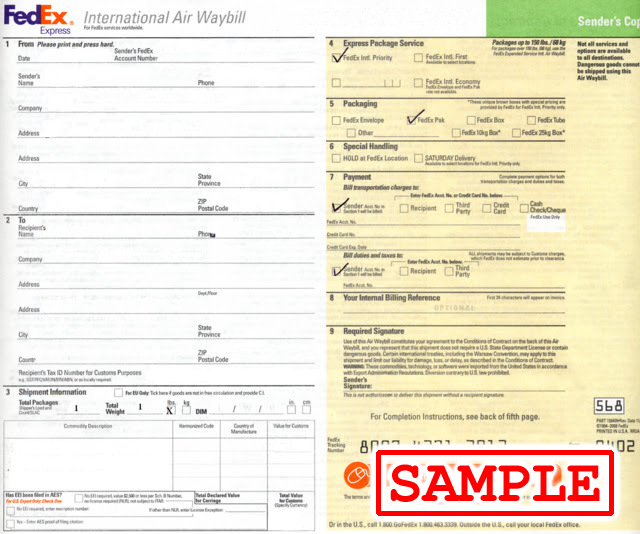
Sample-Air-Waybill Sample Air Waybill

Bill of Lading

The shipping agency provides a Bill of Lading for goods shipped by them. A Bill of lading usually contains information about the shipper, consignee, carrying vessel, ports of loading and discharge, place of receipt and delivery, mode of payment, and name of the carrier.
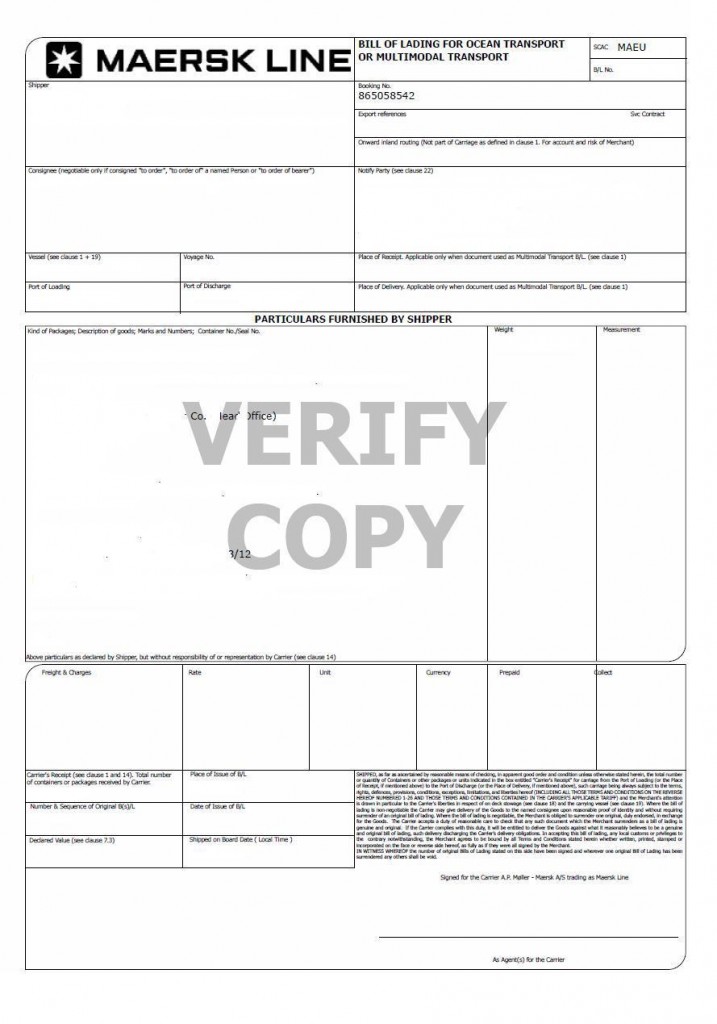
Sample-Bill-of-Lading Sample Bill of Lading

Bill of Exchange

A Bill of exchange is used when an importer agrees to pay the exporter in the future on a date on or before that is mutually agreed upon. A Bill of exchange is an important written document in wholesale trade involving large amounts of money. A Bill of exchange can be classified as a bill of exchange after the date and a bill of exchange after sight. Bill of exchange after the date is when the due date for payment is counted from the date of the drawing. Bill of exchange after sight is when the due date for payment is counted from the date of acceptance of the bill.

Certificate of Origin

The Customs Authority generally requests the certificate of origin while clearing Customs. A certificate of Origin is used to establish the product's origin and is issued by the Chamber of Commerce of the Exporter's country. Certificate of origin usually contains the name and address of the exporter, details of the goods, package number or shipping marks, and quantity, as applicable.
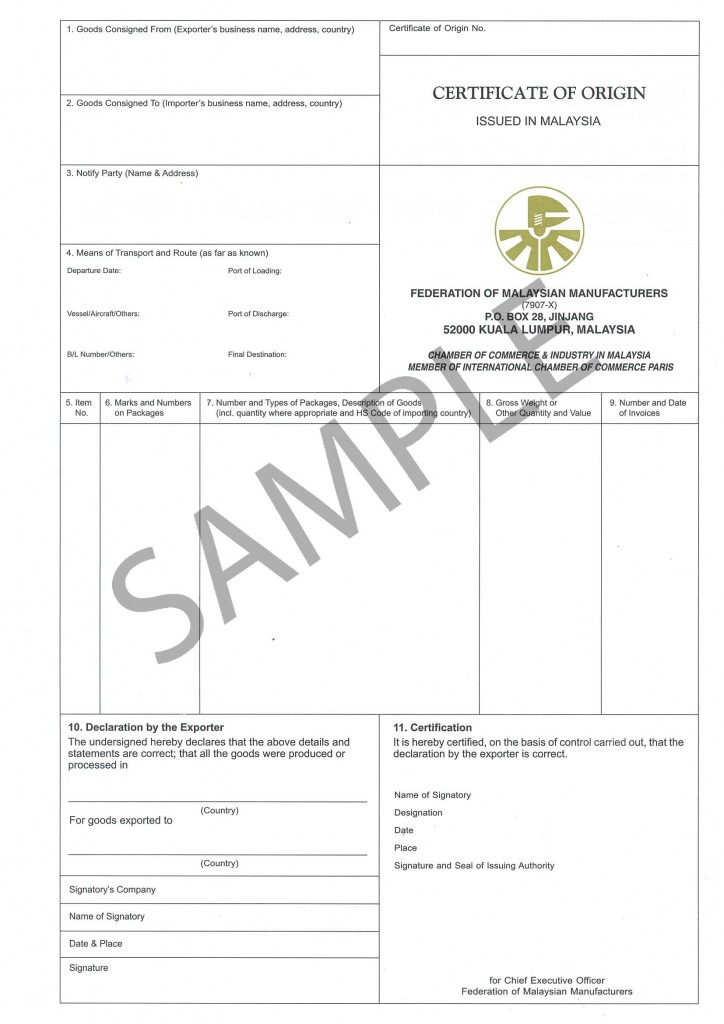
Sample-Certificate-of-Origin Sample Certificate of Origin

Packing List

The packing list contains detailed information about the shipped goods, quantity, weight, and packing specifications. The packing list must contain a product description and details regarding the shipping marks.
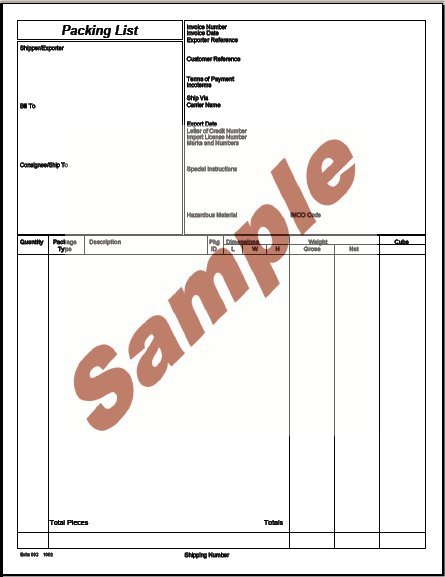
Sample-Export-Packing-List Sample Export Packing List

Letter of Credit

A letter of Credit is an arrangement wherein a Bank, on the request of its customer, agrees to make payment to a beneficiary on receipt of documents from a beneficiary as per the terms stipulated in the Letter of Credit. Letter of Credit or LC is used extensively in international and domestic trade transactions.

Click here to learn more about the Letter of Credit (LC).
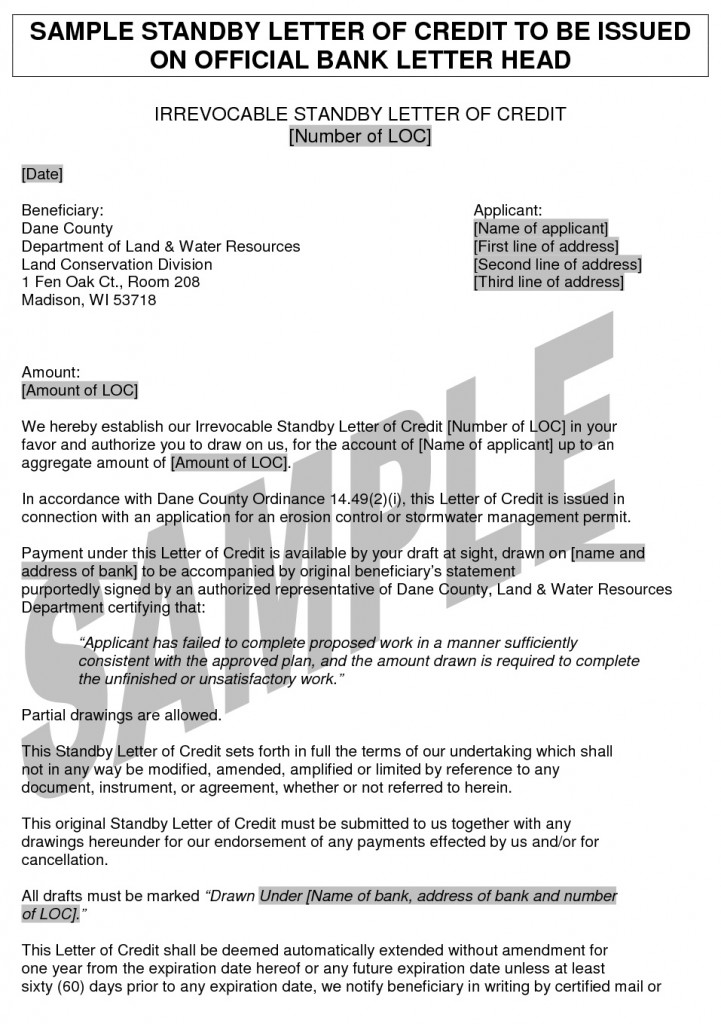
Sample-Letter-of-Credit Sample Letter of Credit For more information about Export And Import Procedure In India, talk to an IndiaFilings Business Advisor.
Back to Learn

Frequently Asked Questions

Common questions about Export and Import Procedure in India Documentation.

An Import Export Code (IE Code) is a unique 10-digit code issued by the Directorate General of Foreign Trade (DGFT) that is mandatory for businesses or individuals to engage in import or export activities in India. To obtain an IE Code, you need to apply for it after obtaining a Permanent Account Number (PAN) and opening a bank account. IndiaFilings can assist you with the process of obtaining an IE Code.
A commercial invoice is a crucial document issued by the seller to the buyer, containing the terms of the transaction, such as the date, seller and buyer details, value, shipping terms, and more. It serves as the basis for levying customs duty on the shipment, which is typically calculated based on the commercial invoice raised by the seller.
An air waybill serves as proof of shipment of goods by air. It contains details about the shipper and the consignee, the departure and destination airports, a description of the goods, as well as the sign and seal of the carrier. Additionally, it acts as proof of receipt of goods for shipment by the air cargo agent, an invoice for the air shipment, a certificate of insurance, and a guide for handling, dispatch, and delivery of the consignment.
A Bill of Lading is a document provided by the shipping agency for goods shipped by them. It contains information about the shipper, consignee, carrying vessel, ports of loading and discharge, place of receipt and delivery, mode of payment, and the name of the carrier. It serves as evidence of the contract of carriage and the receipt for the goods.
A Bill of Exchange is used when an importer agrees to pay the exporter at a future mutually agreed-upon date. A Bill of Exchange after date is when the due date for payment is counted from the date of drawing the bill, while a Bill of Exchange after sight is when the due date for payment is counted from the date of acceptance of the bill by the importer.
A Certificate of Origin is often requested by the Customs Authority while clearing Customs. It is used to establish the product's country of origin and is issued by the Chamber of Commerce of the exporter's country. This document is essential for determining the applicable customs duties and trade agreements.
A packing list contains detailed information about the shipped goods, including the quantity, weight, and packing specifications. It must contain a product description and details regarding the shipping marks or package numbers. The packing list is an essential document for verifying the contents of the shipment.
A Letter of Credit (LC) is an arrangement wherein a bank, at the request of its customer (the importer), agrees to make payment to a beneficiary (the exporter) upon receipt of documents from the beneficiary as per the terms stipulated in the Letter of Credit. LCs are widely used in international and domestic trade transactions to mitigate risks for both parties.
To obtain an Import Export Code (IE Code) in India, you need to first obtain a Permanent Account Number (PAN) and open a bank account. Once you have these, you can apply for the IE Code from the Directorate General of Foreign Trade (DGFT). IndiaFilings can assist you with the entire process of obtaining an IE Code, ensuring a smooth and hassle-free experience.
A Bill of Lading is a crucial document issued by the shipping agency for goods shipped by them. It serves as evidence of the contract of carriage, receipt for the goods, and contains important details such as the shipper, consignee, carrying vessel, ports of loading and discharge, place of receipt and delivery, mode of payment, and the name of the carrier. It is an essential document in export and import procedures.