

Renu Suresh
Expert
Published on: Sep 7, 2026
Kerala Encumbrance Certificate
The encumbrance certificate is an important document that assures that a property is free from any monetary and legal liabilities. The encumbrance certificate is evidence that a property can be sold with a clean title, and the ownership will be transferred without any litigations. Encumbrance certificate usually contains all the financial and legal transactions for a specified time period that has been made concerning a property. The Registration Department in Kerala issues the encumbrance certificate. In this article, we look at the procedure for obtaining EC in Kerala. Know more about Kerala Property Registration and Pokkuvaravu or Mutation of PropertyImportance of Encumbrance Certificate
Some of the situations when an encumbrance certificate is necessary is below for reference:- Encumbrance certificate must be submitted to get a property loan from banks and financial institutions to ensure the property is not already mortgaged
- EC (document of evidence of ownership title) will be required for property transfers
- In case the land tax is not paid for more than 3 years, EC has to be submitted with Village or Panchayat Officer for updating the land tax
- To withdraw PF for property purchase and house construction, encumbrance certificate should be submitted
Details in Encumbrance Certificate
The following details relating to the Property will be provided in the encumbrance certificate:
- Encumbrance Certificate will contain the name of the owner
- Details regarding the property will be in EC
- EC will give a complete property description as recorded in the sale deeds
- EC will provide transactions related done on the property. The transactions will be in chronological order
- If a property is bought by loan, then EC will contain details about a mortgage
- For gift deeds, details on gift settlement will be mentioned
- Release deed details will be available in case of one of the partner released his share from the mutually purchased property.
Fee for Encumbrance Certificate
The fee structure for obtaining the encumbrance certificate is below for reference:|
S.No |
Transaction |
Fee |
|
1 |
Application fee for certified copy and Encumbrance Certificate |
Rs. 10 |
|
2 |
A general search for the first 5 years |
Rs. 100 |
|
3 |
A general search for 6 to 30 years |
Rs. 250 |
|
4 |
A general search for years exceeding 30 years |
Rs. 25 for each year exceeding 30 years in addition to Rs. 250 |
Apply for Encumbrance Certificate Online
EC can be obtained online through the website of the Kerala Registration department. There is no need to visit Sub Registrar’s Office with an application form. Here is a step by step guide to apply online for Kerala encumbrance certificate. Step 1: Go to the Registration Department of Kerala home page. Step 2: From the application menu, select the encumbrance certificate and then click on submit Application for EC.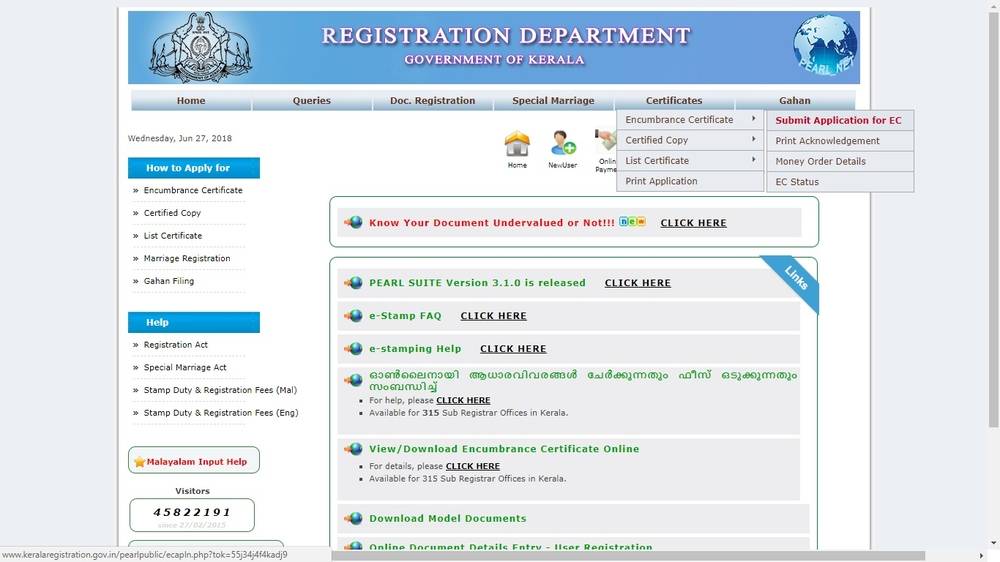 Image 1 Encumbrance Certificate in Kerala
Step 3: Update District and SRO details where the property is located and click on save.
Step 4: Sub Register office details need to be provided. The applicant can save the details by clicking on save and next button.
Step 5: Enter the applicant details.
Image 1 Encumbrance Certificate in Kerala
Step 3: Update District and SRO details where the property is located and click on save.
Step 4: Sub Register office details need to be provided. The applicant can save the details by clicking on save and next button.
Step 5: Enter the applicant details.
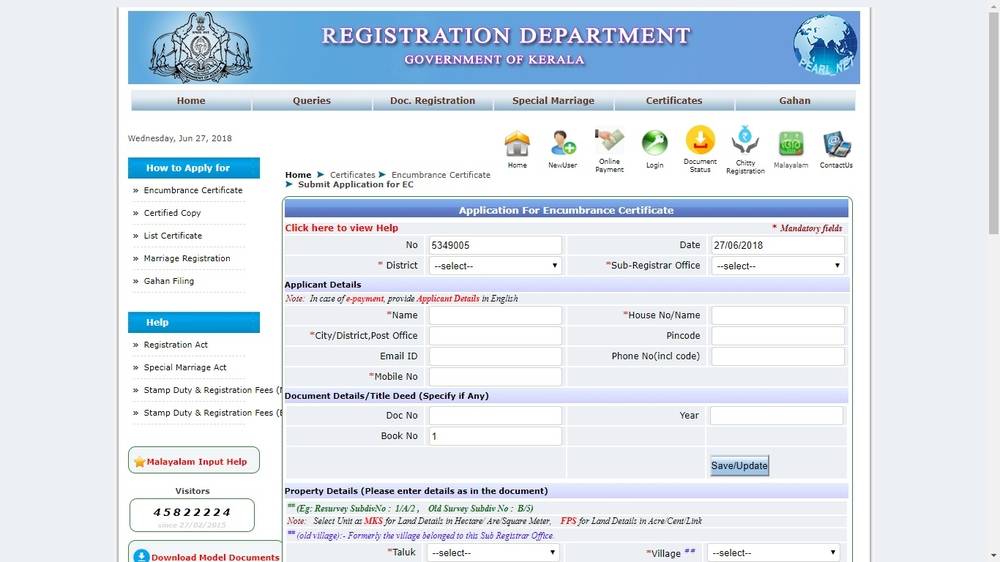 Image 2 Encumbrance Certificate in Kerala
Step 6: It is mandatory to provide property related details such as Taluk, Village and area of measurement.
Step 7: The applicant needs to enter details of the boundary of the property.
Image 2 Encumbrance Certificate in Kerala
Step 6: It is mandatory to provide property related details such as Taluk, Village and area of measurement.
Step 7: The applicant needs to enter details of the boundary of the property.
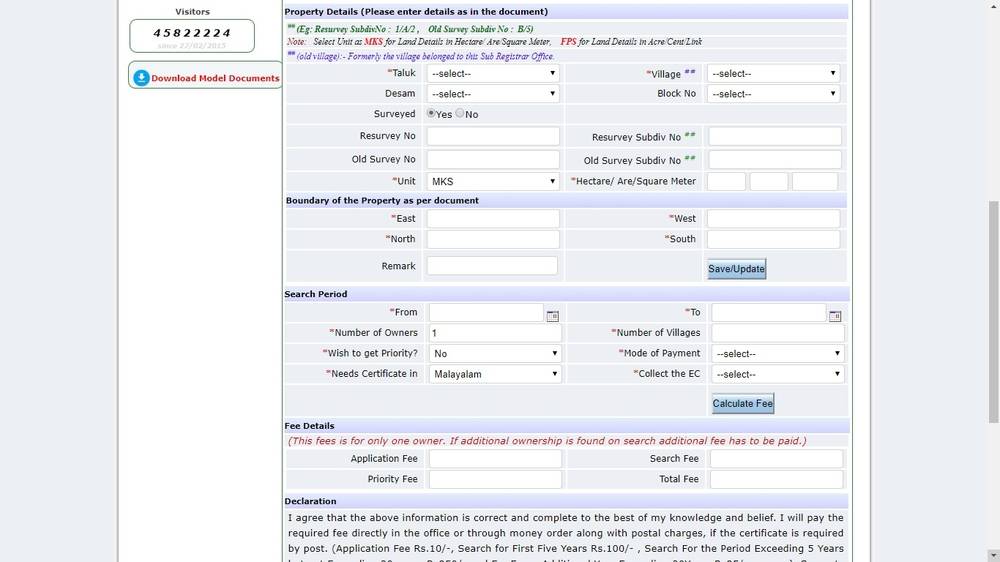 Image 3 Encumbrance Certificate in Kerala
Step 8: Once the applicant has entered the period for which the EC is needed, click on calculate the fee.
Step 9: After entering the details as mentioned above, fee details will be displayed.
Step 10: Click on the declaration and submit the application.
Image 3 Encumbrance Certificate in Kerala
Step 8: Once the applicant has entered the period for which the EC is needed, click on calculate the fee.
Step 9: After entering the details as mentioned above, fee details will be displayed.
Step 10: Click on the declaration and submit the application.
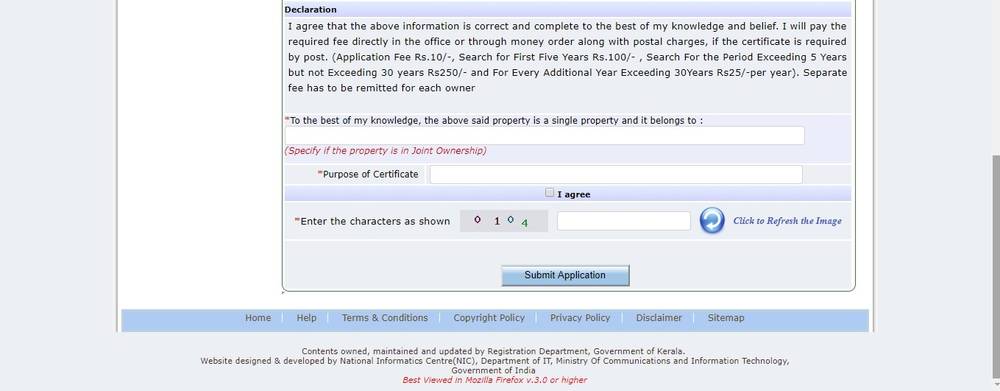 Image 4 Encumbrance Certificate in Kerala
Step 11: A pop-up window will appear. Click on view acknowledgement.
Step 12: After the submission of the application the applicant can take print of acknowledgement. Note the Transaction ID for future reference
Image 4 Encumbrance Certificate in Kerala
Step 11: A pop-up window will appear. Click on view acknowledgement.
Step 12: After the submission of the application the applicant can take print of acknowledgement. Note the Transaction ID for future reference
Check Status and Download Encumbrance Certificate
Once Application for EC is submitted online, and prescribed fees are paid, concern SRO will process the encumbrance certificate and issue the same. The applicant can check EC status online and download the certificate. Step 1: Select the EC status option from Encumbrance certificate menu under the certificate in the Registration Department of Kerala home page.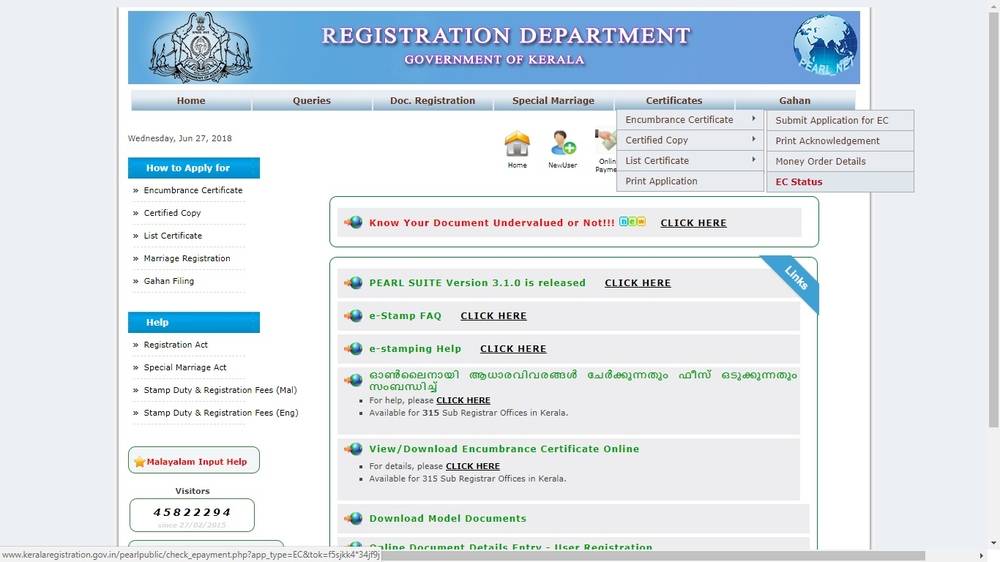 Image 5 Encumbrance Certificate in Kerala
Step 2: Enter the transaction ID and captcha.
Step 3: Click on check status. The applicant can view the status of EC on the new screen.
Image 5 Encumbrance Certificate in Kerala
Step 2: Enter the transaction ID and captcha.
Step 3: Click on check status. The applicant can view the status of EC on the new screen.
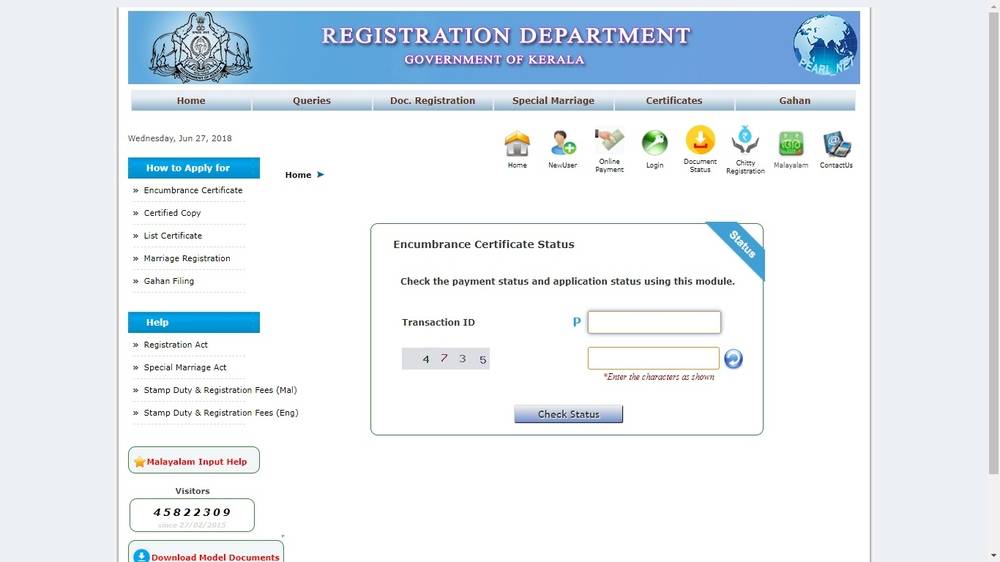 Image 6 Encumbrance Certificate in Kerala
Step 4: By clicking on download option, the applicant can get an encumbrance certificateEncumbrance Certificate in PDF format.
Note: Verify whether the EC is digitally signed and stamped with the official seal. The survey number and other details regarding the Property also need to be checked.
Image 6 Encumbrance Certificate in Kerala
Step 4: By clicking on download option, the applicant can get an encumbrance certificateEncumbrance Certificate in PDF format.
Note: Verify whether the EC is digitally signed and stamped with the official seal. The survey number and other details regarding the Property also need to be checked.