

RENU SURESH
Expert
Published on: Aug 11, 2026
Can I File Revised Return After ITR Processed?
One of the most frequently asked questions by taxpayers is, "Can I file a revised return after my ITR has been processed?" The answer is yes! Under Section 139(5) of the Income Tax Act, 1961, taxpayers can correct errors, omissions, or incorrect details in their original return—even after processing. Whether it’s misreported income, incorrect deductions, or any other mistake, filing a revised return ensures accuracy and compliance. However, it’s crucial to adhere to the prescribed time limits and guidelines to avoid complications. In this article, we’ll guide you through the process, key considerations, and steps to revise your return seamlessly.
Revised Returns
A Revised Return is filed under Section 139(5) of the Income Tax Act, 1961, to correct errors or omissions in the original return. If you discover any mistakes in your initial filing, this provision allows you to make necessary corrections, even for a belated return. You can file a revised return by 31st December of the relevant assessment year or before the completion ofthe assessment, whichever is earlier.
When Can You File a Revised Return?
A revised return can be filed under the following circumstances:
- Errors in Income Reporting – If you have misreported or omitted income details in the original return.
- Incorrect Deduction or Exemption Claims – If deductions under sections like 80C, 80D, or other exemptions were not correctly claimed.
- Wrong Bank Details – If you have provided incorrect bank details, it may lead to issues with tax refunds.
- Incorrect Tax Calculation – Any mistakes in tax computation in the original ITR.
- TDS Mismatch – If there is a mismatch in TDS details as per Form 26AS.
- Change in Filing Status – If you have mistakenly filed under the wrong filing status.
Can I File Revised Return After ITR Processed?
Yes, you can file a revised return even after the CPC has processed your original return. However, there are specific considerations and limitations to keep in mind:
- Time Limit: A revised return must be filed by 31st December of the relevant assessment year or before the completion of assessment, whichever is earlier.
- Corrections Allowed: You can rectify errors, omissions, or incorrect details in your original filing.
- Revised Refunds & Tax Liability: Any changes in income, deductions, or tax calculations may affect your refund or tax dues.
- Compliance Matters: Ensure accuracy to avoid discrepancies, notices, or delays from the Income Tax Department.
Need expert assistance? IndiaFilings can help you revise your return seamlessly and stay compliant!
Time Limit for Filing Revised Return
As per the latest provisions, a revised return can be filed before the completion of the assessment year or before the assessment is completed by the Income Tax Department, whichever is earlier.
This means if you filed your original return for the financial year 2023-24 (AY 2024-25), you can file a revised return on or before December 31, 2025.
Also read: Can I file ITR for Last 3 Years now?
How to File a Revised Return After ITR Processed?
If your Income Tax Return (ITR) has already been processed, but you need to make corrections, you can still file a revised return. The process remains the same as filing a regular revised return. However, once the return is processed, you should carefully check your tax records, Form 26AS, and any communication from the Income Tax Department before making revisions. Ensure that all errors are rectified accurately to avoid multiple revisions, which could trigger scrutiny. The steps below outline how to file a revised return effectively: If you realise that your original ITR contains errors, you can follow these steps to file a revised return:
Step 1: Log in to the Income Tax e-Filing Portal
Visit the official e-Filing portal of the Income Tax Department. Log in using your credentials (PAN, password, and CAPTCHA verification).
Step 2: Select "File Revised Return" Option
Once logged in, navigate to ‘e-File’ → ‘Income Tax Return’ → ‘File Income Tax Return’. Select the assessment year for which you are filing the revised return.
Step 3: Choose the Correct ITR Form
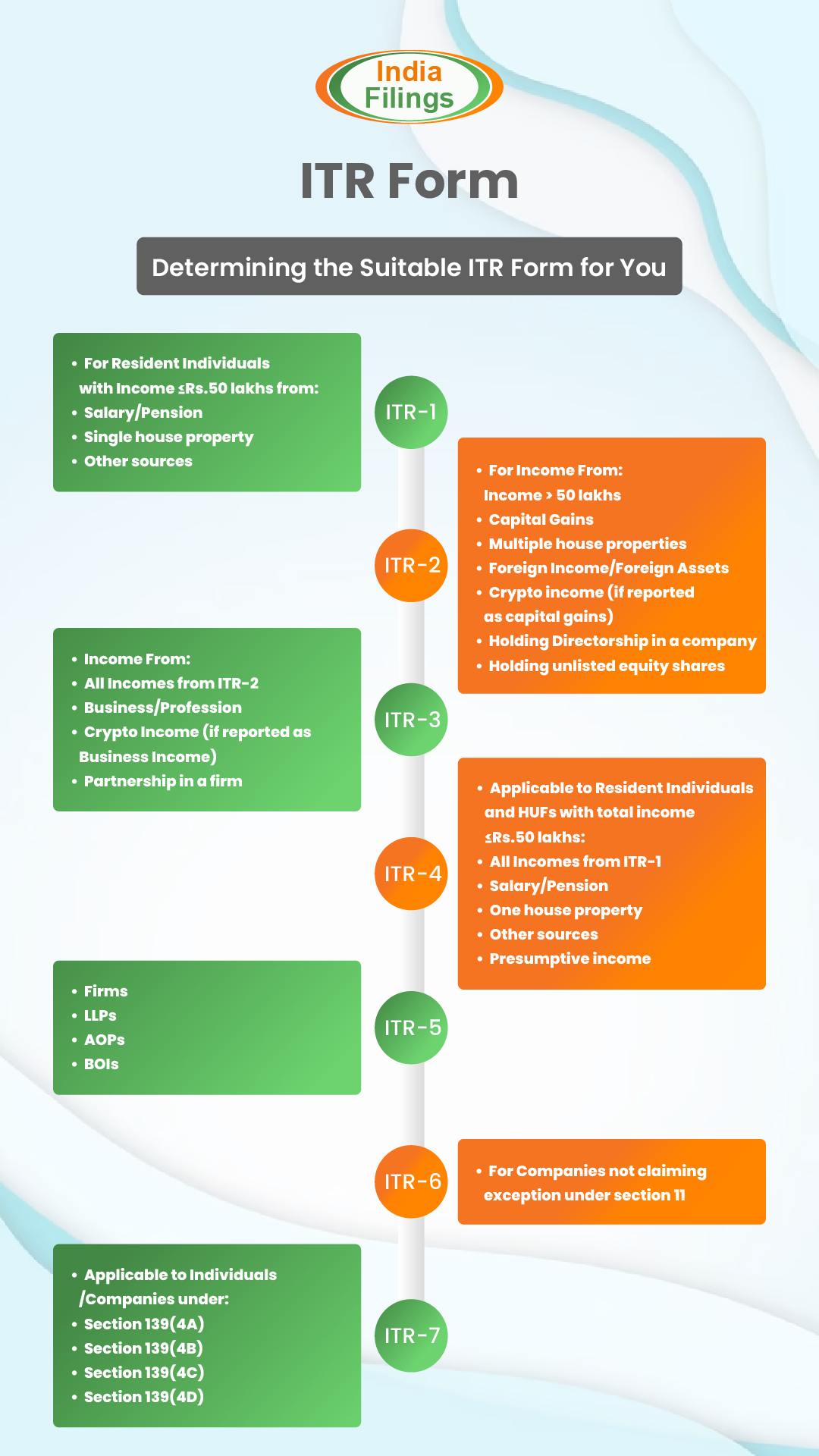
Choose the appropriate ITR form that was originally filed.
Step 4: Enter Original Acknowledgment Number
While filing a revised return, you must provide the acknowledgment number of the original ITR.
Step 5: Make the Necessary Corrections
Carefully update the errors or omissions in the ITR form.
Step 6: Verify and Submit the Return
After making corrections, verify the revised return using Aadhaar OTP, EVC, or by sending a signed copy of ITR-V to CPC, Bengaluru.
Rectification vs. Revised Return
Many taxpayers confuse a revised return with a rectification request. Here is the difference:
Feature | Revised Return | Rectification Request |
Purpose | To correct mistakes made by the taxpayer in the original ITR | To correct processing errors made by CPC |
Filed Under | Section 139(5) | Section 154 |
Allowed If ITR Processed? | Yes | Yes, but only for apparent mistakes in processing |
Example | Missed reporting income, incorrect bank details | Wrong tax credit due to system error |
If your mistake is due to an error in CPC’s processing (e.g., incorrect tax credit), then instead of filing a revised return, you can file a rectification request under Section 154.
Key Considerations Before Filing a Revised Return
Filing a revised return is permitted, but there are some important aspects to consider:
- No Limit on Revisions: You can file multiple revised returns as long as it is within the due date.
- Risk of Scrutiny: Frequent revisions may attract scrutiny from the Income Tax Department.
- Updated Return (ITR-U): If the deadline for a revised return has passed, you may still file an updated return under Section 139(8A) with additional tax liability.
- Impact on Refund Processing: If you are expecting a refund, a revised return can cause delays in processing.
Can I File a Revised Return After ITR Processed and Refund Issued?
Yes, you can still file a revised return even if the refund has already been issued. However, if the revised return shows a lower refund than the one already received, the excess amount may need to be repaid.
What If I Miss the Deadline to File a Revised Return?
If you miss the deadline (December 31 of the assessment year), you can still correct errors by filing an Updated Return (ITR-U) under Section 139(8A). However:
- ITR-U is allowed only for additional income disclosure (not for claiming missed deductions).
- An additional tax penalty applies (25%–50% of the additional tax payable).
- ITR-U cannot be filed if the tax department has already started an assessment.
Common Mistakes to Avoid While Filing a Revised Return
Taxpayers often make errors when filing a revised return, which can lead to further complications. Here are some mistakes to avoid:
- Not verifying the revised return – Without verification, the revised return will be considered invalid.
- Filing a revised return without checking Form 26AS – Always match TDS and tax details before submitting.
- Entering incorrect details again – Double-check income, deductions, and exemptions to ensure accuracy.
- Filing a revised return unnecessarily – If the original return is error-free, avoid revising to prevent scrutiny.
Conclusion
So, can I file a revised return after ITR is processed? The answer is a definite yes. The Income Tax Department allows taxpayers to rectify errors in their original ITR by filing a revised return, even after processing. However, it is crucial to ensure that the revised return is filed within the permissible time frame and verified properly. If the deadline for filing a revised return has lapsed, an updated return (ITR-U) may be an option. By understanding the process and implications, taxpayers can ensure compliance while making necessary corrections to their tax filings.
Need to File a Revised Return After ITR Processing?
Yes, you can! But accuracy is key. Let the experts at IndiaFilings help you file your revised return seamlessly—avoiding errors, delays, and compliance issues. Get professional tax assistance today!
Frequently Asked Questions (FAQs)
1. Can I file a revised return after my ITR has been processed?
Yes, you can file a revised return under Section 139(5) even after your Income Tax Return (ITR) has been processed, provided it is within the due date (December 31 of the relevant assessment year).
2. Is there a penalty for filing a revised return?
No, there is no penalty for filing a revised return, as long as it is done within the prescribed time limit. However, if incorrect information is intentionally provided in the original return, penalties may apply.
3. How many times can I revise my ITR?
There is no limit on the number of times you can file a revised return, as long as it is within the due date. However, multiple revisions may attract scrutiny from the Income Tax Department.
4. Can I revise my return to claim missed deductions or exemptions?
Yes, if you forgot to claim deductions (e.g., under Sections 80C, 80D, 80G), you can file a revised return to include them and potentially get a higher refund.
5. What if I already received my tax refund? Can I still file a revised return?
Yes, you can still revise your return even if the refund has been processed. However, if the revised return reduces your refund amount, you may need to repay the excess refund received.
6. What happens if I don’t verify my revised return?
If you don’t verify your revised return, it will be considered invalid and not processed by the Income Tax Department. You must verify it using Aadhaar OTP, net banking, or by sending ITR-V to CPC, Bengaluru.
7. What is the difference between a revised return and a rectification request?
A revised return is filed by the taxpayer to correct errors in the original return, while a rectification request (under Section 154) is used to correct processing errors made by the Income Tax Department (CPC).