
IndiaFilings
Published on: Jul 31, 2026
Types of Business Loan
Business loans can be categorized into various types based on application of funds. Types of business loan differ vary based on the application of the loan. It is important for an Entrepreneur to know about the types of business loan and apply for the right one based on the business requirements within the framework. In this article we look at the various types of business loans and its application.
Term Loan
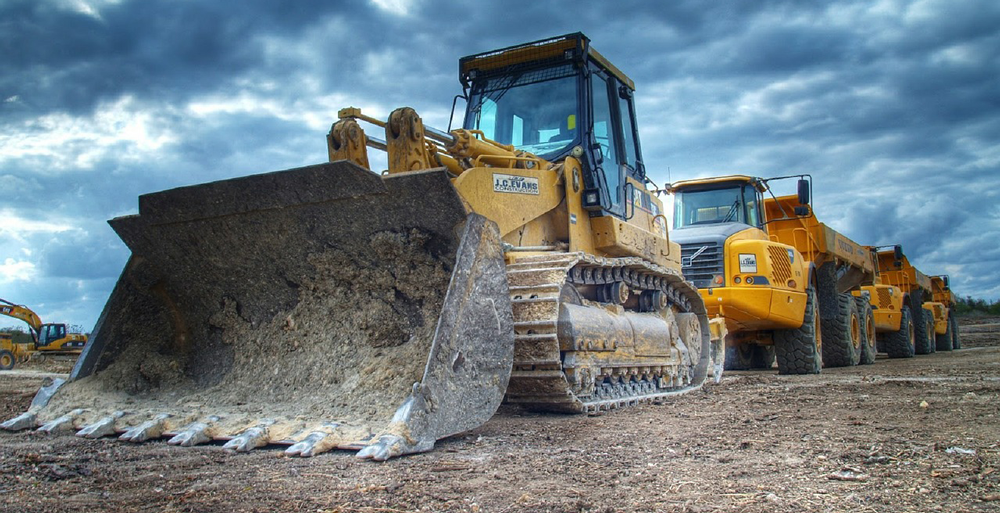
Term loan is for equipment or building or land - Capital Assets
A term loan is a type of business loan provided for acquisition of long-term fixed assets like machinery, building or land. Term loans have a fixed repayment schedule and an interest rate that is either fixed or floating. Repayment for term loan may be due monthly or quarterly. The normal tenor for repayment of a term loan in India is anywhere between 2 years to 10 years.
Types of asset financed by term loan: Land and building, building construction, infrastructure creation, renovation, purchase of equipment, machinery, vehicles.
Margin Requirement: A minimum margin of 15 - 25 per cent maybe applicable. In other words, the quantum of the loan will be restricted to 85 - 75 per cent of the total expenditure.
Tenure:Term loans can usually be sanctioned with a tenure of 2 - 10 years. It is recommended that businesses get sanction for a longer tenure.
Loan against Property
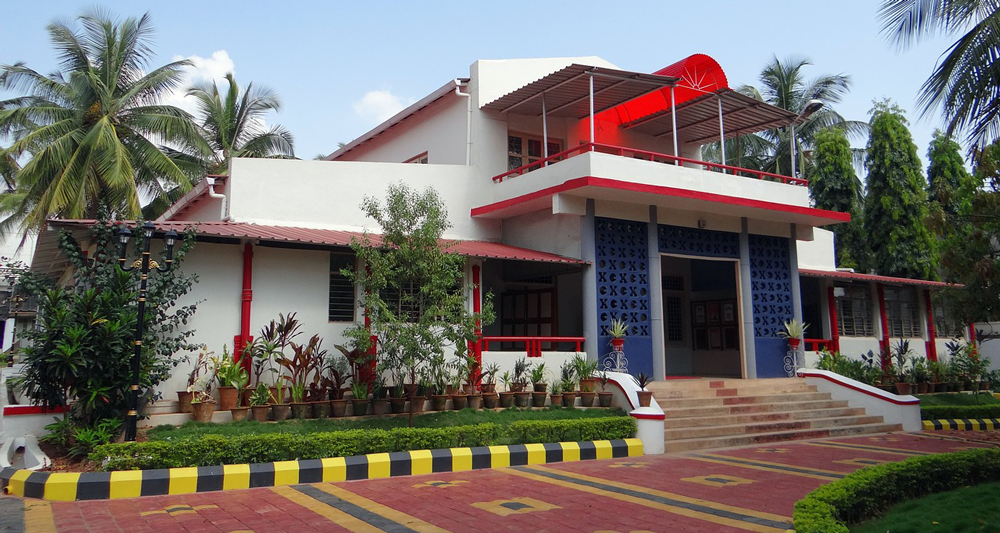
Loan against Property
A loan against property raised by giving residential or commercial or vacant land as collateral security to the bank. The funds raised by way of loan against property can be used by the business for any purposes including advertising, research, business expansion, staff salary, starting a new business, working capital requirement, capital asset requirement, buying land, etc., Usually there are no restrictions on the application of funds - sanctioned as a loan against property. Hence, the funds can be used for any purpose.
Assets that can be used for raising loan against property: Any residential or commercial or vacant land property.
Margin Requirement: None
Tenure: 3 to 15 years based on the borrower profile.
Gold Loan - Jewelry, Coins, etc.,

Gold Loan
A loan against gold jewelry or gold coin or gold ornaments can be raised easily. The funds raised by way of gold loan can be used for any purposes. However, most banks have a policy of not lending more than Rs.20 lakhs per person as gold loan.
Assets that can be used for raising loan against property: Gold jewelry, gold coin, gold ornament, gold bar, etc.,
Margin Requirement: 5%
Tenure: 12 to 30 months based on borrower profile.
Loan against Shares or Financial Securities

Loan against shares and mutual funds
A loan can be raised against financial securities such as demat shares, mutual fund units, fixed maturity plans (FMP), exchange traded funds (ETF), insurance policies and savings bonds. The funds raised by pledging shares or financial securities can be used for any purposes. However, not all shares and mutual funds can be pledged. Only those shares, mutual funds, insurance policies approved by the bank policy can be pledged for raising funds.
Assets that can be used for raising loan against property: Bank approved demat shares, mutual fund units, fixed maturity plans (FMP), exchange traded funds (ETF), insurance policies and savings bonds
Margin Requirement: None.
Tenure: Renewal every 12 months.
Cash Credit Facility
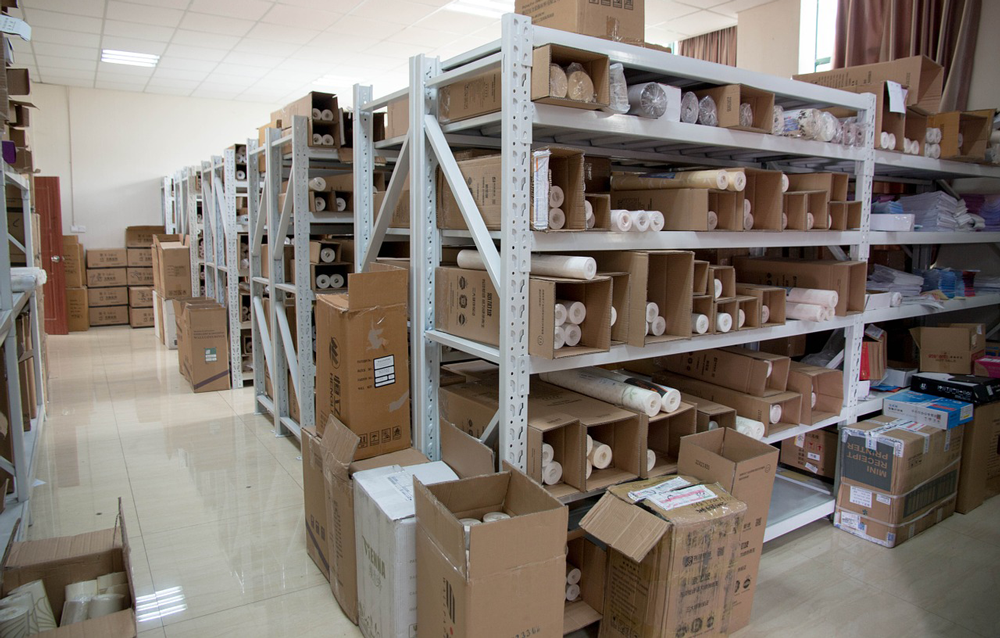
Cash Credit Limit for Inventory or Receivables
Cash credit facility are loans granted in the form of overdrafts on the security of stock in trade /process /raw materials. Cash credit facilities is usually secured by pledging current assets of the organization like inventory or receivables. Cash credit limits are based on drawing power which is arrived at after deduction of margin fixed by the bank over the stocks. It is ensured that the balance outstanding does not exceed the drawing power. Cash credit facility is ideal for financing working capital - inventory and receivables.
Assets that can be financed using cash credit facility: Inventory and receivables.
Margin Requirement: 70 - 80% based on the borrower profile.
Tenure: Renewal every 12 months.
Letter of Credit (LC) Facility

Letter of Credit
A letter of credit (LC) is type of credit facility wherein the bank guarantees that the seller will receive payment on certain conditions. In the event that the buyer is unable to make payment on the purchase, the bank will cover the outstanding amount. Letter of credit is used in international and domestic trade transactions to ensure that payment will be received where the buyer and seller may not know each other and are operating in different countries.
Assets that can be financed using letter of credit: Inventory and capital assets.
Margin Requirement: 60 - 80% based on the borrower profile.
Tenure: Renewal every 12 months.
Bank Guarantee
A Bank guarantee is a promise from a bank that the liabilities of a debtor will be met in the event that the debtor fails to fulfill contractual obligations. Bank guarantees can be classified as:
- Performance Guarantee
- Bid Bond Guarantee
- Financial Guarantee
- Advance Payment Guarantee
- Foreign Bank Guarantee
- Deferred Payment Guarantee
Margin Requirement: 20 - 100% based on the borrower profile.
Tenure: Based on requirement.