
Peter
Expert
Published on: Aug 14, 2026
Direct Port Delivery Scheme (DPD) for Importers
On 5
th September 2019, the Central Board of Indirect Taxes and Customs (CBIC) released a circular regarding the eligibility criteria for availing Direct Port Delivery (DPD) Scheme by Importers.Outline
The Government of India (GOI) introduced a Direct Port Delivery system for
importers to take delivery directly from the port, rather than the CFS process. The DPD system was first introduced in Jawaharlal Nehru Port (JNPT) for all the registered members associated with the Customs Accredited Client Program (ACP). It was implemented to minimize the delivery time, regularize the process of storing containers at ports and reduce the logistics cost of the containers. This helps to create more space for consignments if the manufacturer requires necessary or additional storage space. The DPD system operates in two types of modes, they are: DPDDPD – The importer takes delivery from the port with their transport DPD/CFS – The importer chooses the CFS process for delivery This announcement seeks to extend its operation to all the ports in India by streamlining general guidelines, eligibility criteria, and mode of operation. Since this process offers prolonged minimal cost for operation, CBIC recommends all the importers register withObjectives of DPD
- To decrease the time for allocating and re-allocating the shipping consignments.
- Play a vital role in having a minimal rate for the operations
- Simplify the rules, regulations, and eligibility criteria for ease of doing business
- Encourage SMEs, MSMEs, and shipping industries to actively participate in the DPD system
- Increase the infrastructure of the ports to store more consignments
- Support Accredited Client Program to increase voluntary compliance among the importers
Eligibility Criteria for Direct Port Delivery Scheme by Importers
Avoiding Clearance through Container Freight Stations (CFS)
One of the important initiatives by CBIC is taking necessary measures to avoid routing the clearance through CFS. This initiative has reduced time and proved cost-effective for all the importers. It was first launched at JNPT and will soon be implemented in other ports. Since CBIC adopted the DPD process, the consignments would be transferred by the internal team rather than members from the shipping company. This allows the containers to be sealed appropriately, labeled for identification, and sorted and stored for allocation when the quantity is less than complete.
Regulating guidelines
CBIC has regulated the guidelines to increase the mode of operation at all ports in India. The regulated guidelines will methodize the eligibility criteria, which will, in turn, increase registered importers and simplify the process of business.
Factors for availing DPD Scheme
Other than the benefits of time management and cost-effective process, importers choose to avail of DPD for the following reasons:
- Non-receipt of original documents from foreign countries
- Consistent delay in delivering the order
- Financial and credit constraints
- Delay in settlement of debt of shipping lines
- Choosing a PD account with the terminals
Guidelines for DPD
Eligible criteria for availing of DPD
- The importers should have registered as AEO Tier I, II, or III status
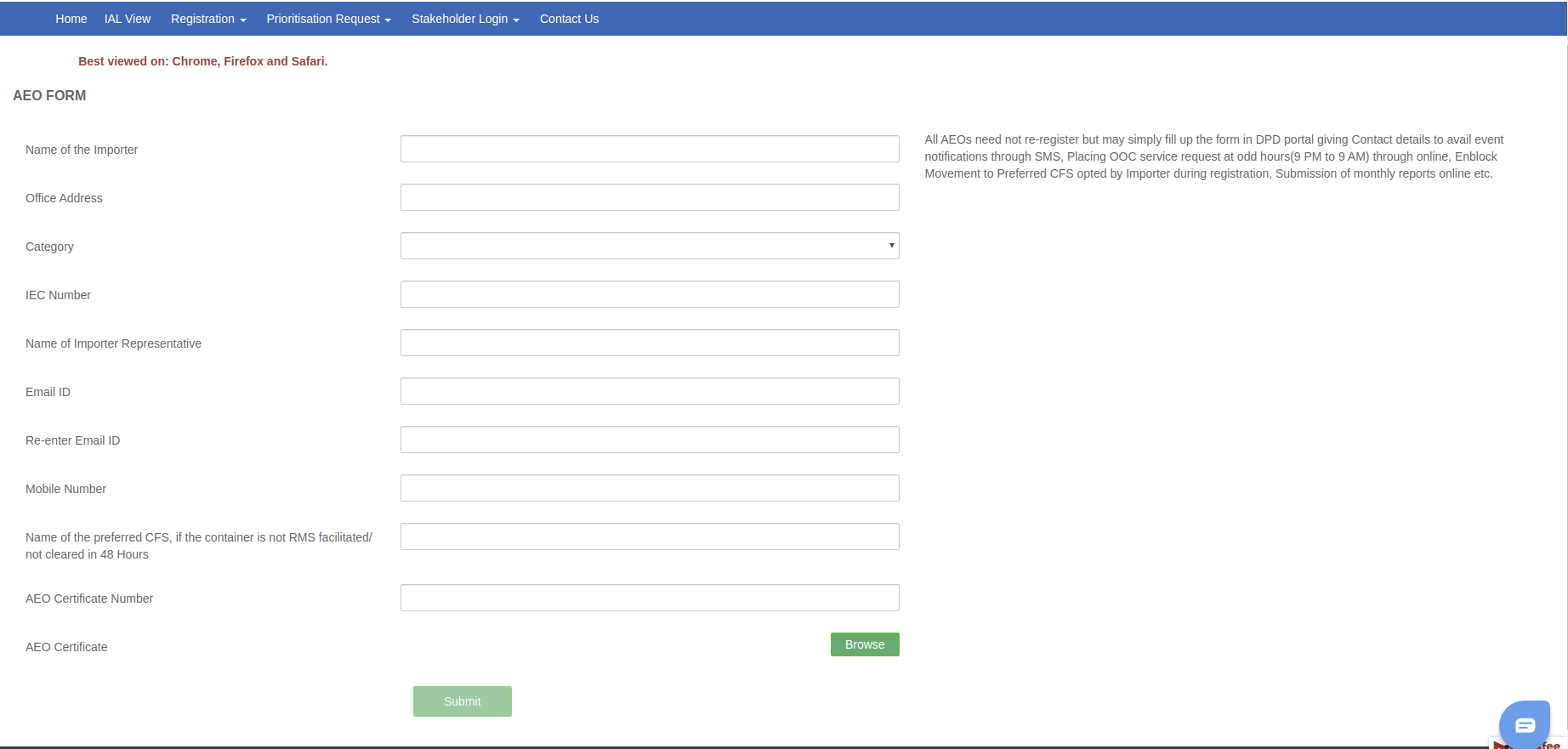
- The importers should have a clear track record
- The import volume should be 25 Full Container Load (FCL), and Twenty-Foot Equivalent Units (TEUs) in the present or previous financial year.
- All information should be furnished under Annexure-A
Importers who are not Eligible to Avail of DPD
Importers who have a track record or case of the following in the last five years:
- Mis-declaration of account of goods
- Harboring
- Diverting the imported goods without informing the official department
Importers recorded with ongoing prosecution proceedings under Section Customs Act, 1962 Imported goods are subjected to 100% examination related to the current terms and policies Importing the goods by LCL consignments Learn about
Import and Export CodeRules for availing of DPD
The following are the conditions to be followed by the importer who chooses to avail DPD scheme.
- The importers should open a PD account with the terminals
- The shipping company should arrange the transport for transporting the goods from the port to the industrial or manufacturing site
- Should follow all the norms as stipulated by CBIC
Applying for DPD
The following are the procedures that should be followed by the importers while availing of DPD. Step 1: The importer should inform the Shipping line 48 hours in advance before the arrival of the vessel
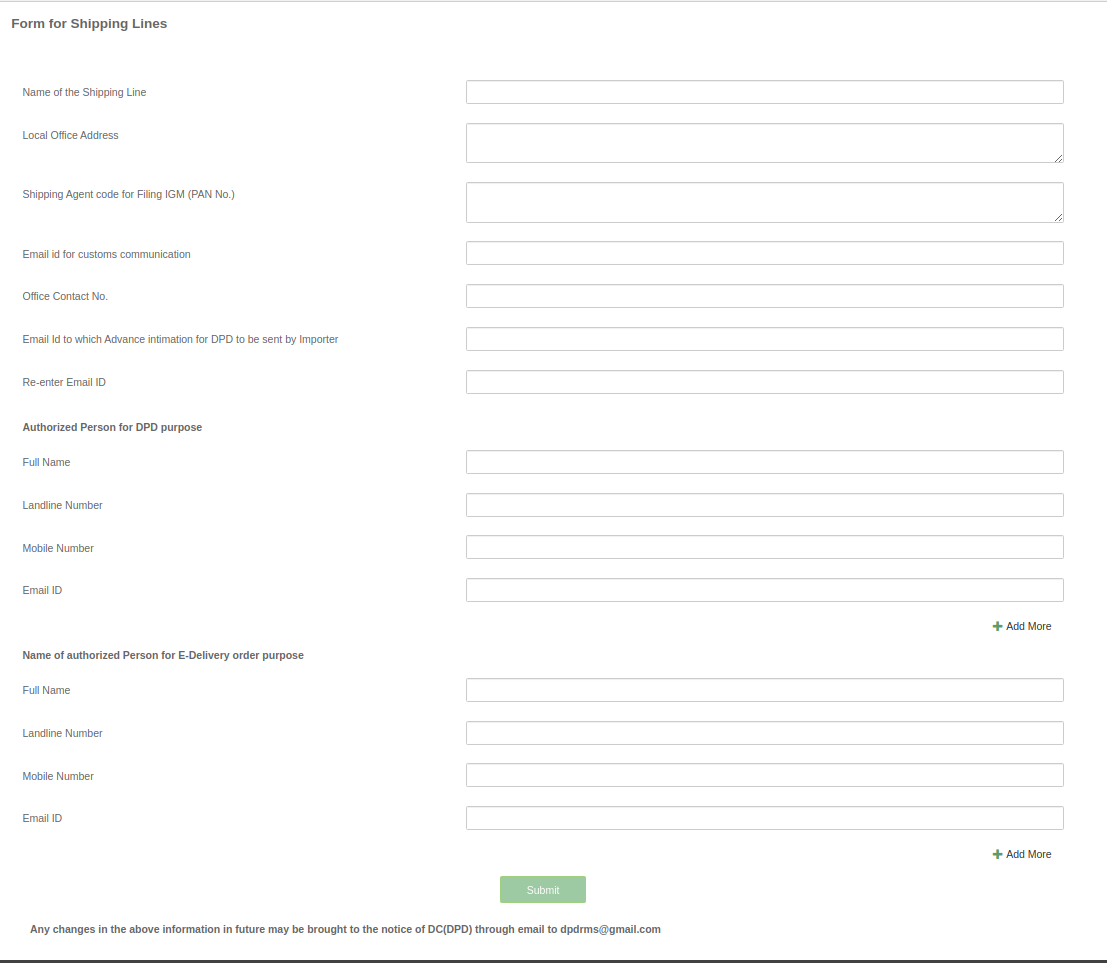 Step 2: The mode of DPD, such as DPDDPD or DPD/CFS, should be informed while registering with the Shipping line.
Step 3: File advance B/E and procure OOC from the DPD cell to exit the port gate
Step 4: The importer can inform in advance through mail or by DPD portal for importers
Step 2: The mode of DPD, such as DPDDPD or DPD/CFS, should be informed while registering with the Shipping line.
Step 3: File advance B/E and procure OOC from the DPD cell to exit the port gate
Step 4: The importer can inform in advance through mail or by DPD portal for importers
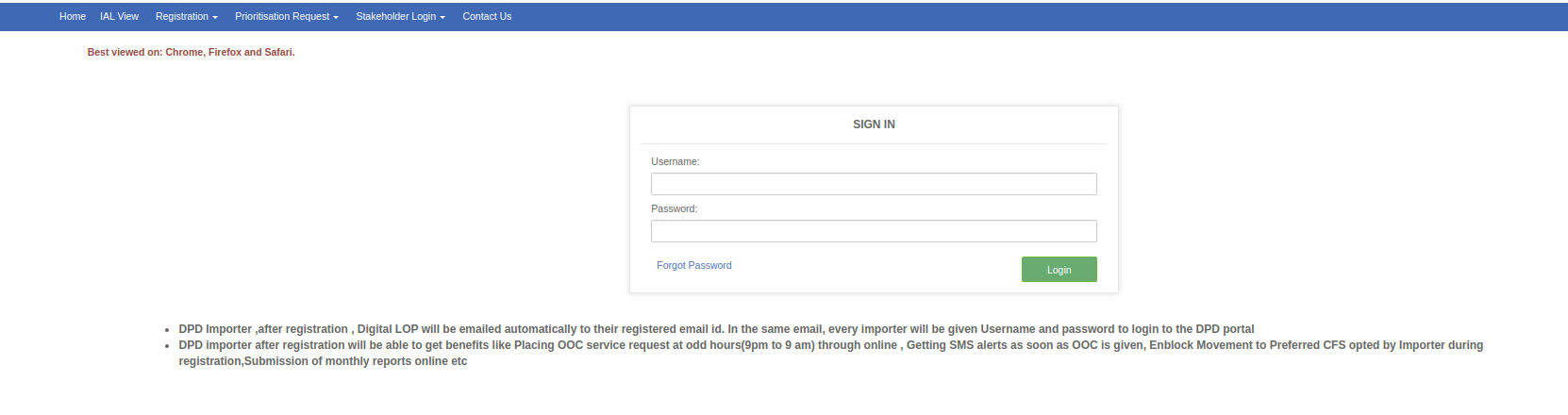 Step 5: After providing the required information, the importer can download the IAL document from the DPD Portal
Step 6: Verify the status of DPDDPD or DPD/CFS
Step 5: After providing the required information, the importer can download the IAL document from the DPD Portal
Step 6: Verify the status of DPDDPD or DPD/CFS
Documents Required to Apply for DPD if the Importer is not registered with DPD Cell.
- Original Bill of Landing (B/L)
- Copy of the Delivery Order
- Original FTA certificates
- Copy of Terminal discharge report
Click here to learn more about
GST rates, logistics, and operation for delivery systems.